

- Support Center
- Multiple Languages
- Language
- Help Us Translate
Expert in
PC Health Solution

All-in-one PC health solution: clean, optimize and secure
Comprehensive PC cleaning, optimization and protection

Keep drivers always up-to-date
More stable performance with less system crashes

Protect millions of computers against malware
Top computer security with full-round protection
Protect against viruses & boost PC performance


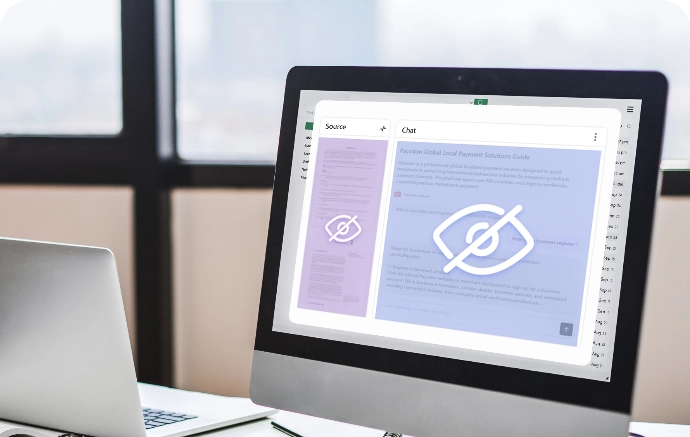
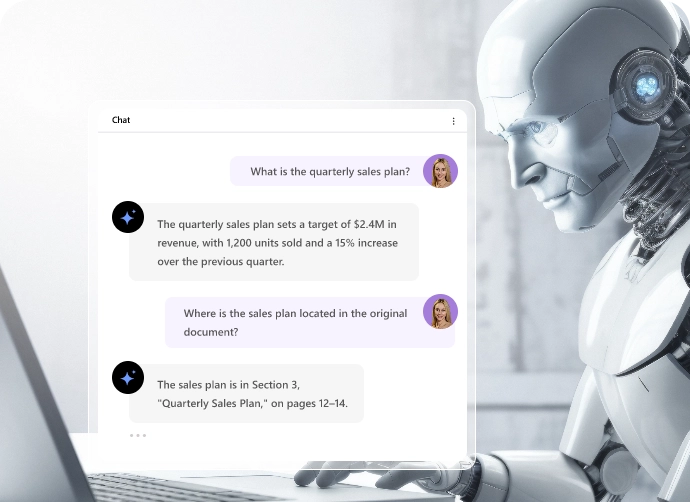
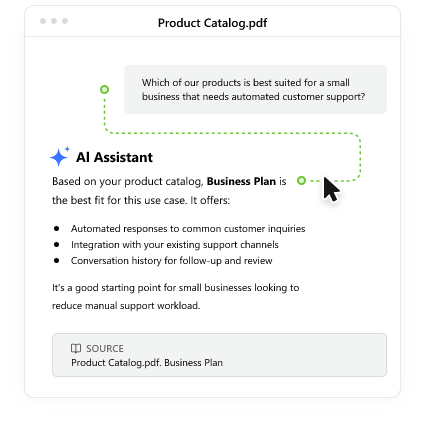
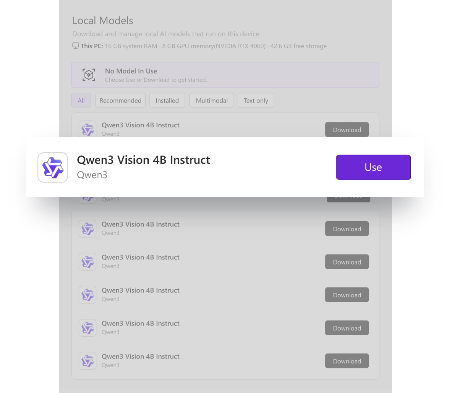




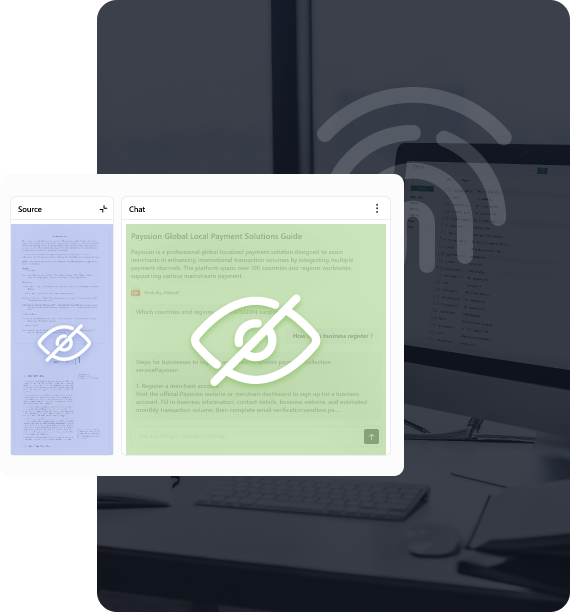
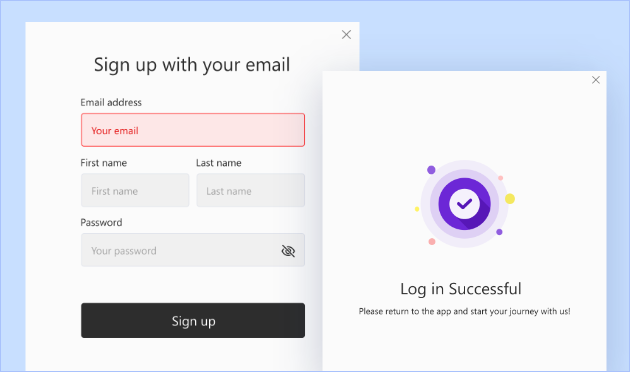
Sign in to access your dashboard.
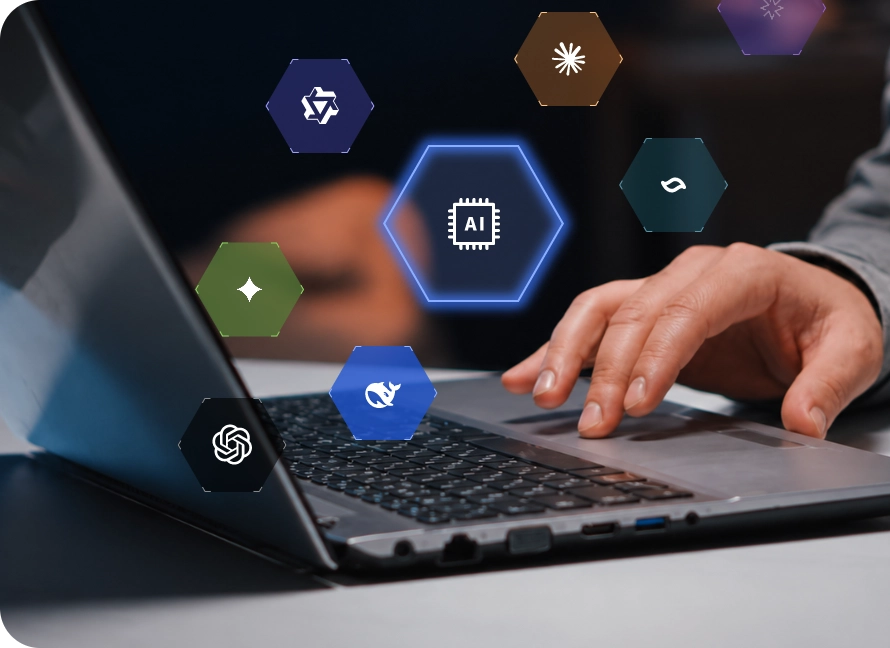
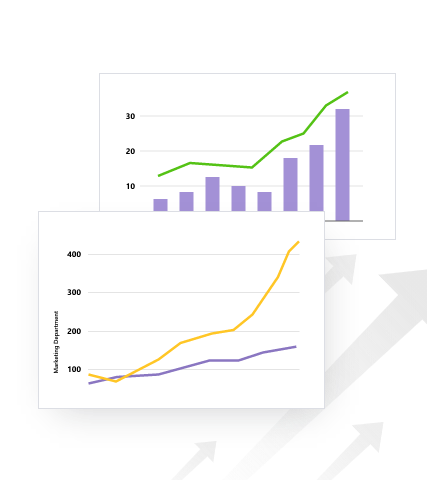
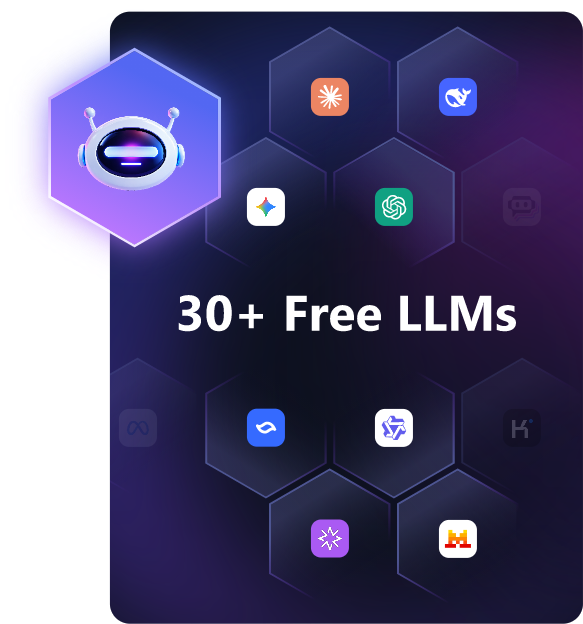
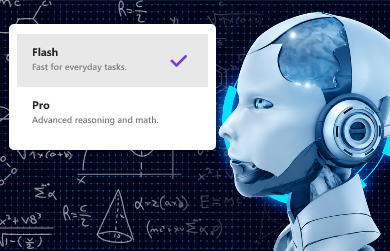
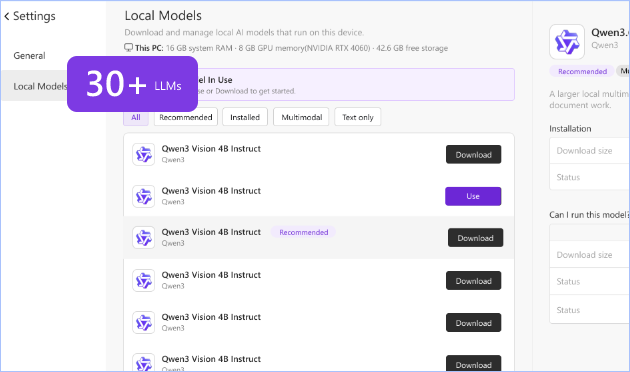
Pick from 30+ LLMs — fast, reasoning, or multimodal.
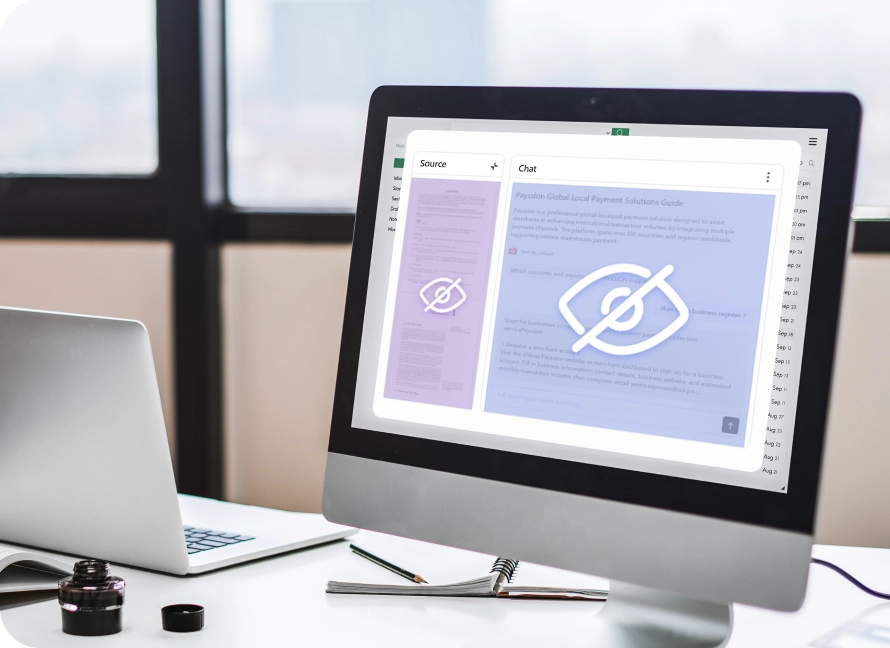
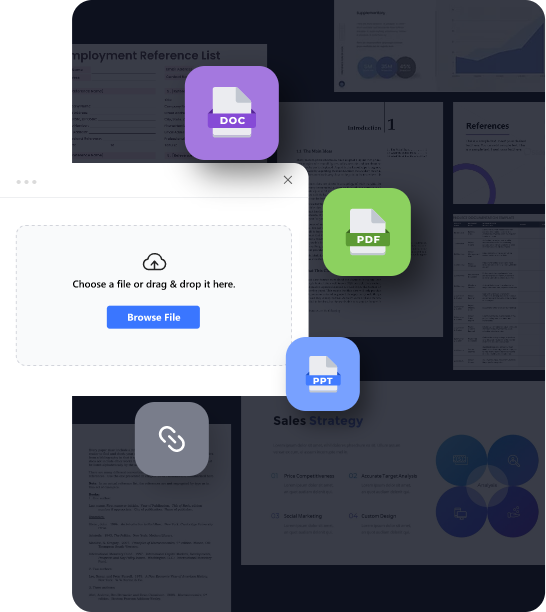
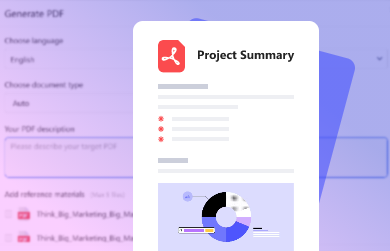
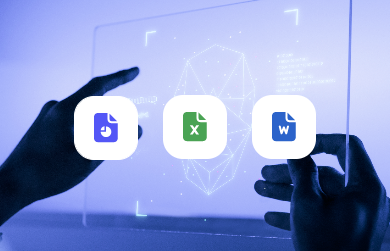
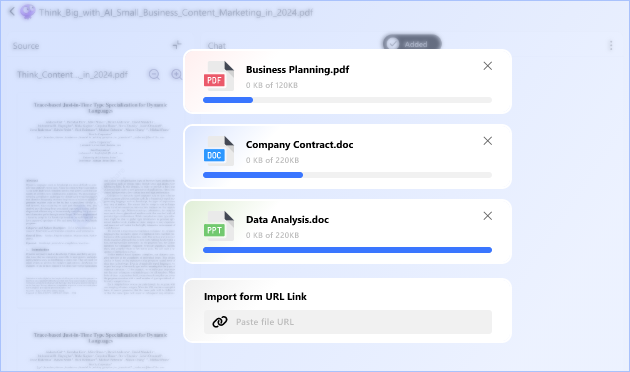
Batch import DOC, PDF, PPT, or links. Parsing and indexing run automatically.
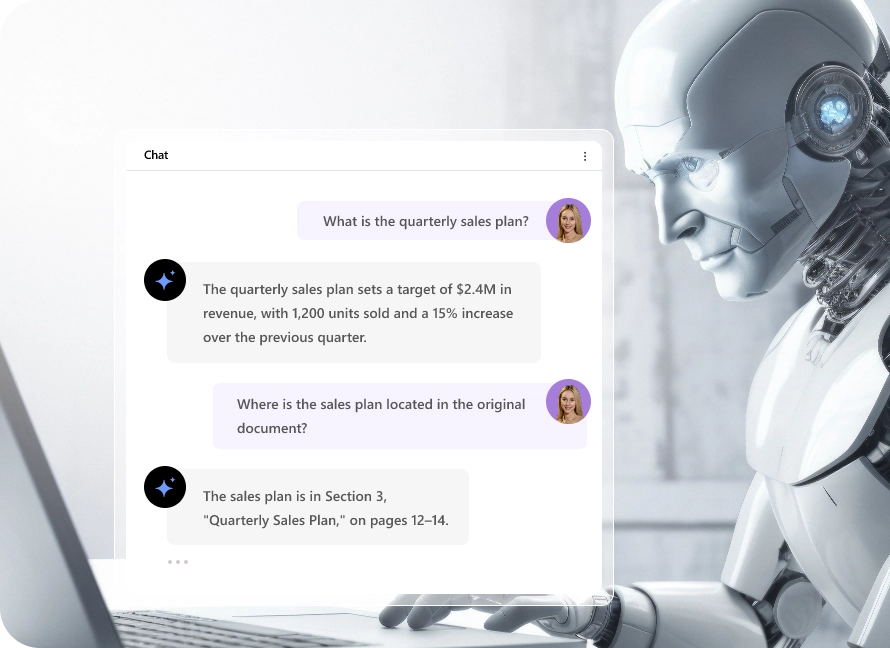
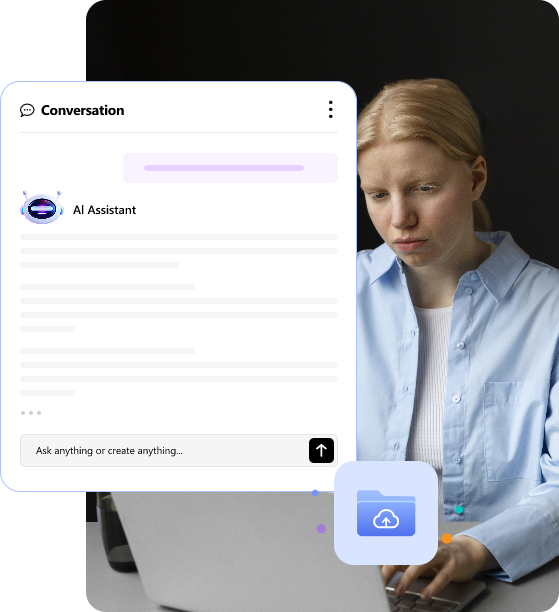
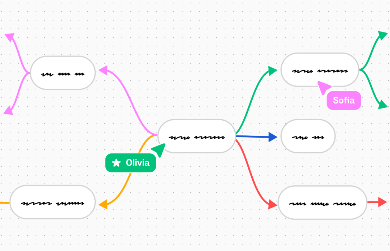
Type naturally. Get answers grounded in your own data.
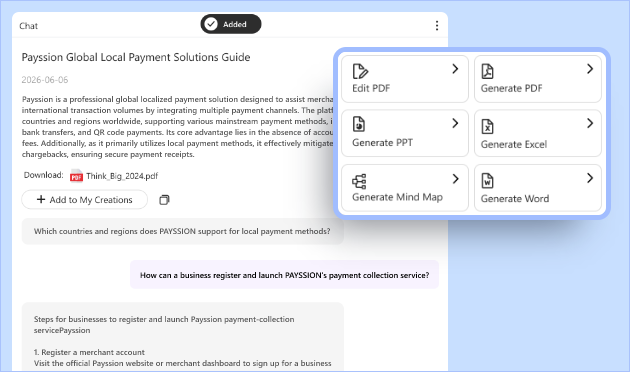
Sign in to access your dashboard.
Pick from 30+ LLMs — fast, reasoning, or multimodal.
Batch import DOC, PDF, PPT, or links. Parsing and indexing run automatically.
Type naturally. Get answers grounded in your own data.
Employees spend nearly 20% of their time hunting for information buried across departments and legacy systems — a cost that hits new joiners hardest. Rag artificial intelligence unifies handbooks, policies, and training materials into a single interface.

New hires ask "How many casual leaves do I have?" and get an exact clause from the HR handbook, with source links, in seconds. No more asking colleagues. No more digging through SharePoint. Onboarding accelerates, and internal knowledge finally becomes accessible.
Sales teams spend a third of their time preparing for customer conversations and even more on admin. Product catalogs, pricing, references, and terms live in different systems owned by different departments.

Enterprise search solution unifies them: ask about a competitor comparison, get an answer pulled from approved sales materials with citations. Some agents go further, pulling live account insights and supporting pricing and quoting directly in the seller's workflow. The result: faster responses, more selling time, and answers that stay compliant.
Engineers juggle documentation, telemetry, incident history, and code repositories — often under on-call pressure. A RAG chatbot indexes all three: past incidents, docs, and code. Ask "has this error happened before?" do a internal search, and get the incident report, the fix, and the relevant code in one answer.

For legacy codebases, it maps commit history and wiki pages to surface business rules nobody documented. One enterprise deployment cut incident triaging by 10–20 minutes per case. The pattern is simple: code, incidents, and docs belong in one retrievable index.
Academic queries are often vague or exploratory — and generic search engines just return a list of papers, leaving the cognitive work to the researcher. A RAG chatbot builds AI organizational knowledge to understand intent, retrieves passages from indexed literature, and generates answers grounded only in those sources, with citations attached.

It also surfaces related work a keyword search would miss, turning one query into a starting point for deeper investigation. For researchers, the value is twofold: precision that cuts through irrelevant results, and traceability that makes every claim auditable.
Employees spend nearly 20% of their time hunting for information buried across departments and legacy systems — a cost that hits new joiners hardest. Rag artificial intelligence unifies handbooks, policies, and training materials into a single interface.
New hires ask "How many casual leaves do I have?" and get an exact clause from the HR handbook, with source links, in seconds. No more asking colleagues. No more digging through SharePoint. Onboarding accelerates, and internal knowledge finally becomes accessible.
Sales teams spend a third of their time preparing for customer conversations and even more on admin. Product catalogs, pricing, references, and terms live in different systems owned by different departments.
Enterprise search solution unifies them: ask about a competitor comparison, get an answer pulled from approved sales materials with citations. Some agents go further, pulling live account insights and supporting pricing and quoting directly in the seller's workflow. The result: faster responses, more selling time, and answers that stay compliant.
Engineers juggle documentation, telemetry, incident history, and code repositories — often under on-call pressure. A RAG chatbot indexes all three: past incidents, docs, and code. Ask "has this error happened before?" do a internal search, and get the incident report, the fix, and the relevant code in one answer.
For legacy codebases, it maps commit history and wiki pages to surface business rules nobody documented. One enterprise deployment cut incident triaging by 10–20 minutes per case. The pattern is simple: code, incidents, and docs belong in one retrievable index.
Academic queries are often vague or exploratory — and generic search engines just return a list of papers, leaving the cognitive work to the researcher. A RAG chatbot builds AI organizational knowledge to understand intent, retrieves passages from indexed literature, and generates answers grounded only in those sources, with citations attached.
It also surfaces related work a keyword search would miss, turning one query into a starting point for deeper investigation. For researchers, the value is twofold: precision that cuts through irrelevant results, and traceability that makes every claim auditable.
