

- Support Center
- Multiple Languages
- Language
- Help Us Translate
Expert in
PC Health Solution

All-in-one PC health solution: clean, optimize and secure
Comprehensive PC cleaning, optimization and protection

Keep drivers always up-to-date

More stable performance with less system crashes

Protect millions of computers against malware

Top computer security with full-round protection

Protect against viruses & boost PC performance
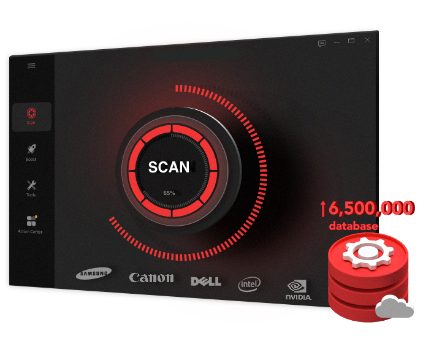
Automatically scan and update drivers.
Update game ready drivers for peak gaming performance.
Identify and fix various common of hardware issues.
Boost 30% of system performance for fast & smooth running.

What is a device driver? A device driver is a middle program that lets your OS communicate with hardware. Learn more about the device drivers in computer.



A driver translates OS requests into specific commands your hardware can understand.
There are kernel-mode, user-mode, virtual, and bus drivers for different hardware needs.
Without proper drivers, hardware won't function and system stability drops.
Missing or corrupted drivers cause errors, crashes, and unrecognized devices.
Use Device Manager or visit the manufacturer's website to keep drivers current.
What Is a Device Driver? A device driver is a small software program that allows your computer's operating system to communicate with a hardware device. Without it, your printer, graphics card, or USB mouse simply won't work. Think of it as a translator between your OS and the hardware — neither side understands each other without the driver in between.
When you plug in a USB keyboard, the OS sends a request to find the right driver. The driver then translates that request into specific commands the hardware understands. Without this translation, the device simply stays unrecognized.
Every piece of hardware — from your graphics card to your network adapter — needs a corresponding driver. Most operating systems include built-in drivers for common devices, but specialized hardware usually requires you to install the driver manually from the manufacturer or through an all-in-one driver updater.
There are several types of device drivers, each designed for a specific category of hardware:
Kernel-mode drivers: Run at the core level of the OS; most critical system drivers fall here (e.g., disk drivers, display drivers).
User-mode drivers: Run in a more isolated space; often used for printers and scanners.
Virtual device drivers: Emulate hardware that doesn't physically exist, such as virtual machines.
Bus drivers: Manage communication between the OS and hardware buses like USB or PCIe.
Windows also distinguishes between signed drivers (verified by Microsoft) and unsigned drivers (not verified, higher risk). Installing only signed drivers is recommended for system stability.
Device drivers are essential because they enable hardware functionality. Without the correct driver, a device may not work at all, or it may behave unpredictably — causing crashes, blue screens, or performance drops. Keeping drivers updated is equally important. Outdated drivers can lead to:
Security vulnerabilities
Compatibility issues with new software
Reduced hardware performance
System instability and errors
If a device driver is missing or corrupted, your computer may show several symptoms:
The device does not appear in Device Manager
You see a yellow warning icon next to the device
The system throws a "Device cannot start" error
Random blue screens or system freezes occur
In most cases, reinstalling or updating the driver from the manufacturer's website resolves the issue. Windows Update can also automatically fetch the correct driver for many common devices.
Open Device Manager by right-clicking the Start button
Expand the category of the device you want to check
Right-click the device and select "Update driver"
Choose "Search automatically for drivers"
If Windows doesn't find a newer version, visit the hardware manufacturer's website to download the latest driver manually.
For a more convenient approach, driver management tools like IObit Driver Booster can scan your system and update all outdated drivers in one click — helping you avoid the hassle of checking each device individually.
 People Also Ask
Yes. You can try 3 ways on how to uninstall the Realtek audio driver and reinstall it to solve the problem that PC sound is not working generally.
Internet not working? Learn the top reasons and proven troubleshooting steps to fix no internet connection issues and get back online quickly.
How to install device drivers? Easy guide for both PC and desktop users to check for driver updates and download new drivers for free.